The Controversy Surrounding the ECB‘s Replacement Trial
The England and Wales Cricket Board (ECB) is currently navigating a storm of criticism following the implementation of a new player replacement trial in the County Championship. Designed to ensure teams can compete with a full complement of players, the regulations were utilized six times during the second round of fixtures, triggering a wave of backlash from captains and high-profile commentators.
The heat of the debate was fueled by a match between Glamorgan and Nottinghamshire, where Glamorgan captain Kiran Carlson expressed his frustration. Notts utilized the rule to bring in allrounder Lyndon James, who replaced the injured Fergus O’Neill on the fourth morning. While Carlson acknowledged that his own team would have done the same, he highlighted the tactical advantage of introducing a fresh seamer on the final day of a grueling multi-day match.
“Obviously, with the injury replacement, bringing in someone later on has made a bit of a difference,” Carlson stated. “This is no slight on Notts whatsoever, because we would have done the exact same thing if we were in that position. But to bring in a guy who hadn’t played cricket for three days to then come in and bowl, obviously that’s an advantage.”
Glamorgan also utilized the new rules, replacing Ben Kellaway with Sean Dickson on the opening day due to a hip flexor injury. Despite this, Carlson believes the system needs refining. “The thinking behind bringing in the rule is sound, but I think it has to be ironed out in terms of the way it does get done,” he added.
Expanding the Scope of Substitutions
Historically, replacements in the County Championship have been strictly limited to concussion substitutes or specific circumstances like COVID-19 or England call-ups. However, as part of an ICC trial—following similar pilots in Australia, India, and South Africa—the regulations have now been expanded to cover general injury, illness, and significant life events.
The current ECB regulations allow a replacement to be used at any stage of the match. This flexibility is what enabled Lyndon James to enter the fray on the final day. Furthermore, there is no limit on the number of replacements a single team can use throughout a match, a fact evidenced by Somerset and Yorkshire both utilizing two replacements during the second round.
The Numbers: A Glut of Substitutes
The data from the second round reveals a significant uptick in usage. Seven replacements were used across nine matches, with only one instance—Worcestershire’s Ben Gibbon replacing Adam Finch for a concussion—that would have been permitted under the old rules. This suggests that the teams are leaning heavily into the expanded criteria.
The ECB had initially estimated that the new rules would be used in roughly 25% of Championship matches, based on data from the Sheffield Shield. To date, they have been activated in 28% of matches (five out of 18), which aligns closely with their projections, although several matches saw multiple replacements.
Critics and the ‘Ridiculous’ Rule
The backlash has not been limited to captains. Former England opener and Sky Sports commentator Ian Ward described the regulations as “complete nonsense” on X (formerly Twitter), while Kent T20 captain Sam Billings, currently in the Pakistan Super League, labeled the rule “ridiculous” after Yorkshire replaced the unwell Jhye Richardson.
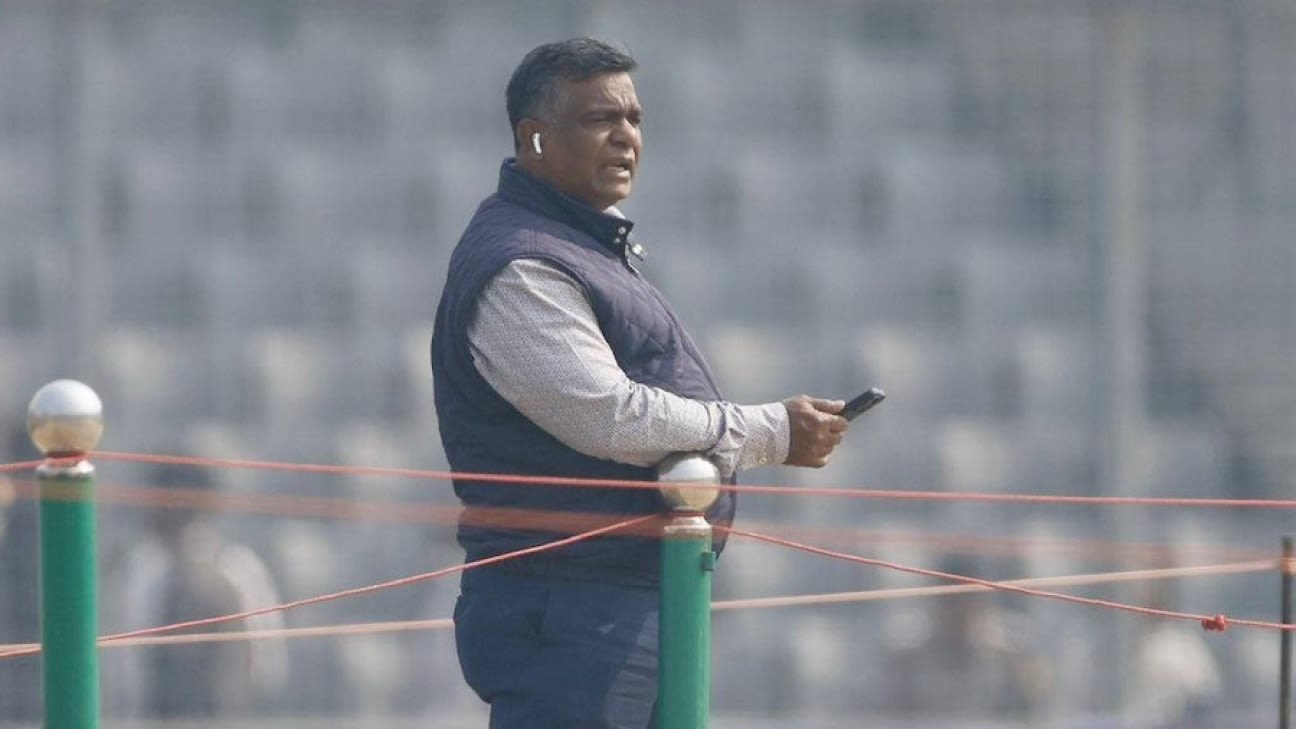
Alan Fordham, the ECB’s head of cricket operations, had previously warned teams to act in good faith. He cautioned that if teams began pushing the boundaries of the regulations to game the system, the ECB might be forced to “backpedal” from the implementation of the process.
Overview of 2026 Player Replacements
To understand the scale of the implementation, here is a breakdown of the replacements that occurred during the recent fixtures:
- Hampshire vs Essex: Noah Thain replaced Tom Westley (finger)
- Glamorgan vs Yorkshire: Will Luxton replaced Jonny Bairstow (thumb)
- Essex vs Somerset: Will Smeed and Archie Vaughan replaced Tom Kohler-Cadmore (thumb) and Lewis Goldsworthy (hamstring)
- Middlesex vs Worcestershire: Ben Gibbon replaced Adam Finch (concussion)
- Nottinghamshire vs Glamorgan: Sean Dickson and Lyndon James replaced Ben Kellaway (hip) and Fergus O’Neill (rib)
- Yorkshire vs Hampshire: Logan van Beek and Ben Cliff replaced Jhye Richardson and Jack White (both illness)
The rule states that any replaced player is unavailable for eight days following their substitution, a measure intended to prevent teams from strategically manipulating the rules for tactical gain. However, critics argue that the current schedule, with only four fixtures in the next round, may complicate the incentive structure, making the rule less of a deterrent than intended.