The Changing Landscape of Sri Lankan Cricket Fitness
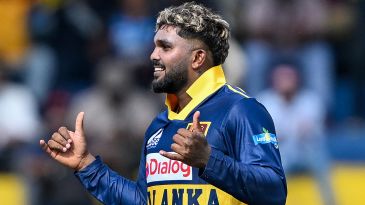
Sri Lanka Cricket (SLC) has recently intensified its focus on player conditioning, ushering in a new era of accountability. However, this transition has hit a few speed bumps, with prominent names like Wanindu Hasaranga and Matheesha Pathirana currently appearing on the list of players who have yet to complete their mandatory fitness evaluations. Out of 45 centrally-contracted players, only 24 have successfully cleared the current fitness hurdles, highlighting the stringent nature of the board’s new requirements.
The Status of Hasaranga and Pathirana
The situation regarding these two stars is being closely monitored, particularly with the 2026 IPL season on the horizon. Wanindu Hasaranga, the dynamic legspinner, has been sidelined since February after tearing his left hamstring during the T20 World Cup opener against Ireland. Reports suggest a return to action remains uncertain, and SLC officials have confirmed that the player has not yet requested a No Objection Certificate (NOC) to participate in the IPL.
Conversely, the situation for Matheesha Pathirana appears more optimistic. Having strained his calf during the match against Australia, the young pacer has reportedly resumed bowling in the nets. Sources close to the player remain hopeful that he will be fit and ready to join the Kolkata Knight Riders by mid-April. His fitness test is expected to be scheduled in the coming week, serving as a critical checkpoint for his availability.
A Rigorous New Protocol
SLC’s overhaul is not limited to just a passing grade; it is a point-based system designed to push athletes to their physical limits. Unlike the more relaxed standards of the past, the current protocol for centrally-contracted players involves:
- 20m Sprint: Testing explosive speed.
- 5-0-5 Agility Test: Measuring lateral movement and change of direction.
- Counter Movement Jump (CMJ): Assessing vertical power.
- 2km Run & Skin-fold Test: Gauging cardiovascular endurance and body composition.
To pass, players must accumulate at least 17 out of a possible 29 points. This system ensures that players are not just physically capable but are operating at elite performance levels necessary for international cricket.
Domestic Impact and Future Implications
The commitment to fitness has trickled down to the National Super League (NSL). While the standards for domestic players are slightly less stringent—requiring only a 2km run and a skin-fold test—the consequences for failure are significant. Of the 87 players participating in the tournament, 23 failed to meet the threshold and have been handed an April 19 deadline.
The board has made its stance clear: failing to meet these standards will result in the withholding of match fees and potential exclusion from future tournament representation. This aggressive approach signals a clear message from the selectors: fitness is no longer an optional component of being a professional cricketer in Sri Lanka; it is a foundational requirement.
Moving Forward
As the cricket calendar grows increasingly congested, the importance of injury prevention and physical conditioning cannot be overstated. For players like Hasaranga and Pathirana, these tests are not merely bureaucratic hurdles but essential benchmarks to ensure they can withstand the rigors of the IPL and upcoming international commitments without compromising their long-term health. Fans and analysts alike will be watching closely to see if the duo can clear their assessments in time to showcase their talents on the global stage this year.