A Troubling Start for the Super Kings
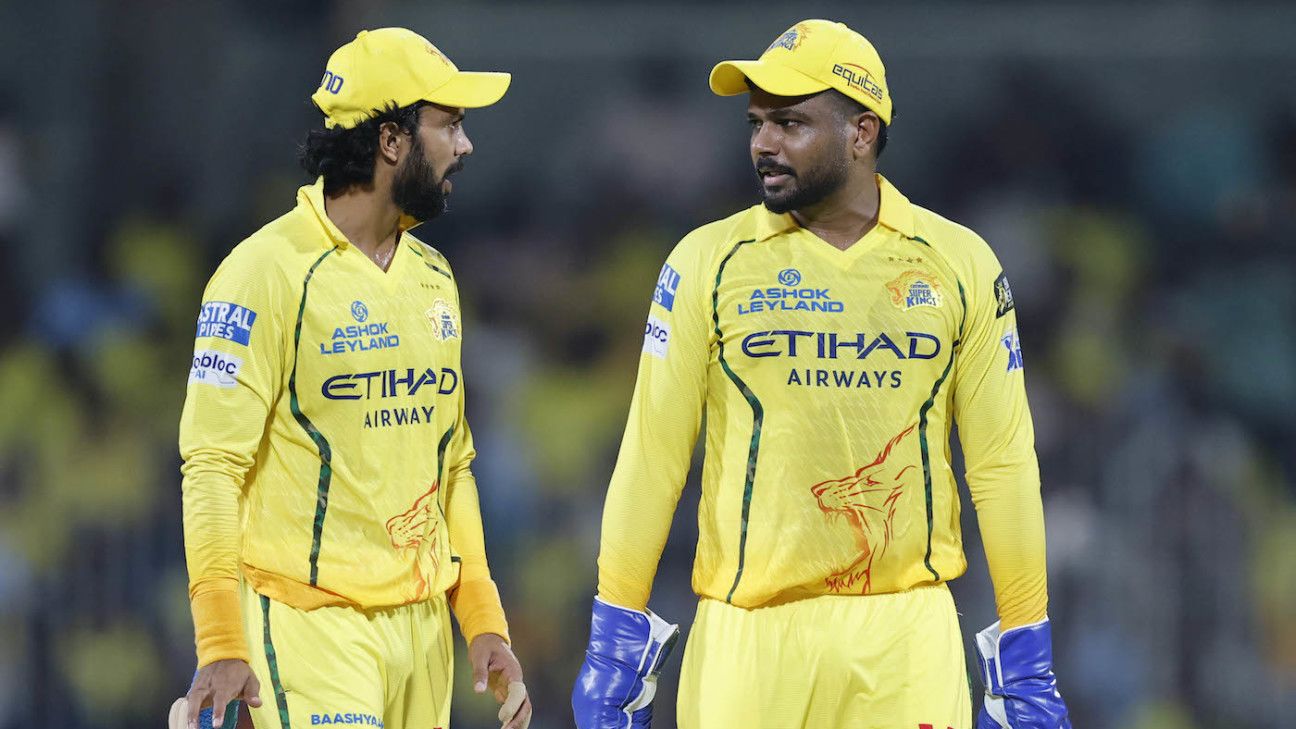
The Chennai Super Kings (CSK) are navigating turbulent waters in the early stages of the 2026 Indian Premier League. Following two successive defeats, the franchise finds itself under intense scrutiny, particularly regarding its bowling unit. Having leaked 338 runs in just 30.5 overs for a mere seven wickets, the statistics paint a bleak picture of a side struggling to contain modern T20 batting lineups.
The Auction Strategy Under the Microscope
Head coach Stephen Fleming has faced tough questions regarding the squad’s composition. Despite an extensive planning process leading up to the auction, CSK appears to have missed the mark. While names like Ben Dwarshuis and Jason Holder were high on the wishlist, they proved elusive. Furthermore, the decision not to pursue Lungi Ngidi—who has since delivered standout performances elsewhere—has drawn criticism from analysts and fans alike.
Fleming remains steadfast in his defense of the selection process. “Trust me, we went over everything,” he noted, acknowledging that the list of potential targets was vast and the dynamics of the auction were complex. The team is currently waiting on the arrival of Spencer Johnson to replace the injured Nathan Ellis, a move that the management hopes will stabilize the pace attack.
The Evolution of T20 Batting Dynamics
Beyond the bowling struggles, Fleming highlighted a fundamental shift in how T20 cricket is played. Reflecting on his 16 years with the franchise, he offered a startling observation: the traditional role of the ‘finisher’ is becoming obsolete. “I don’t think there is a thing called finishers anymore,” Fleming explained. “It’s right from ball one, everyone is going at a rate of knots. It’s not build up to the 16th over and then go harder. Everyone is going hard from ball one.”
This aggressive mindset has rendered the traditional approach of pacing an innings ineffective, with run rates of 10 to 12 becoming the new baseline. For CSK, the challenge lies in adapting to this environment where high-scoring games are the norm rather than the exception.
The Impact Player Rule and Future Strategy
The Impact Player rule, introduced in 2023, continues to be a point of contention for coaches. While it facilitated a title win in 2023, the subsequent seasons have seen the team miss the playoffs and finish at the bottom of the table. Fleming suggests that the rule has significantly shifted the balance in favor of batting power, making it incredibly difficult for bowlers to execute plans.
“Bowling is under pressure in the IPL, especially with the impact player rule,” Fleming added. “You’ve seen players who are taking the game on and their skillset is very high. All bowling attacks are under pressure.”
Looking Ahead: Can CSK Find Balance?
Captain Ruturaj Gaikwad remains focused on the tactical execution on the field. During the recent loss to the Punjab Kings, Gaikwad pointed to a lack of momentum in the middle overs as a deciding factor. Despite taking two quick wickets, the team failed to apply enough pressure to force the required run rate into the danger zone of 12 or 13 an over.
The team is pinning hopes on the return of key players and the strategic use of impact subs to find the right balance. With talent like Dewald Brevis waiting in the wings and the legendary MS Dhoni’s experience available, Fleming remains confident that the team can evolve. The challenge remains to stay relevant in a landscape where teams are increasingly bundling players across global leagues, making it harder to secure top-tier talent.
For now, the focus for the Super Kings is on execution. As Fleming concluded, the team understands that they must be better defensively. Whether through personnel changes or tactical adjustments, CSK must find a way to navigate the frantic pace of the 2026 IPL before the season slips further away from their grasp.