A Legal Showdown in Colombo
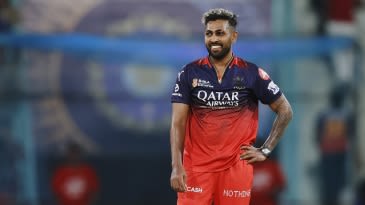
The landscape of modern cricket is increasingly marked by tensions between national boards and players seeking opportunities in the lucrative global T20 circuit. Sri Lanka fast bowler Nuwan Thushara has taken the extraordinary step of filing a lawsuit against Sri Lanka Cricket (SLC) in the Colombo District Court. The core of this dispute is the board’s refusal to grant Thushara a No-Objection Certificate (NOC), a mandatory requirement for him to participate in the Indian Premier League (IPL) as a member of the Royal Challengers Bengaluru squad.
The Heart of the Dispute
Thushara’s legal argument is rooted in the assertion that the enforcement of an NOC is an unreasonable restraint on his livelihood. His contract with SLC is set to conclude on March 31, 2026, and he has expressed intentions to transition away from international cricket following that date. Thushara contends that the board is using its internal selection criteria—specifically, new and stricter fitness requirements—as a barrier to his professional earnings. The case has named prominent officials, including SLC President Shammi Silva and CEO Ashley de Silva, as defendants, with proceedings scheduled for April 9.
The Fitness Test Controversy
At the center of SLC’s refusal are mandatory fitness standards, which were tightened following Sri Lanka’s underwhelming performance in the Men’s T20 World Cup. Under the guidance of the selection committee led by former pacer Pramodya Wickramasinghe, players must now navigate a five-part assessment:
- A 2-kilometre run
- A 20-metre sprint
- A 5-0-5 agility test
- A skinfold test
- A counter-movement jump (CMJ)
Players must achieve a minimum of 17 out of 29 possible points, with the 2km run and skinfold test carrying significant weight. Thushara argues that these standards are being applied retrospectively and inconsistently, noting that his fitness levels have remained stable throughout his career—a period during which he previously received NOCs from the board without issue.
The Precedent of Global Player Mobility
This legal challenge arrives at a time when the power of cricket boards to control player movement is being scrutinized globally. The situation bears a striking resemblance to the case of South African spinner Tabraiz Shamsi, who successfully challenged Cricket South Africa (CSA) in the Johannesburg High Court in late 2025. In that instance, the court ruled that a board could not withhold an NOC as a means of protecting its own commercial interests when a player is not centrally contracted. Thushara’s team is essentially asking the court to determine whether SLC can legally project its internal selection policies onto a player who is effectively distancing himself from the national setup.
What Lies Ahead
While the legal wheels turn, the timing of the lawsuit has almost certainly sidelined Thushara for the initial stages of the IPL. With the tournament already underway as of March 28 and the court dates delayed due to the Easter holiday, the pacer faces a difficult path to joining his franchise in India. The case is unlikely to be resolved in a single hearing, potentially costing the cricketer weeks of participation. Ultimately, the outcome of this dispute could set a significant precedent in world cricket, potentially forcing boards to reconsider how they exert control over players who are increasingly prioritizing private franchise contracts over national commitments. As the cricketing world watches, the definition of an NOC—and the power dynamics behind it—stands at a critical crossroads.