A Watershed Moment for English Cricket
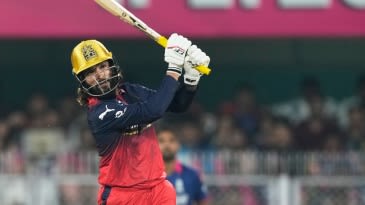
In the high-stakes world of international sport, it is common for players who find themselves on the periphery to express frustration. However, when a player like Liam Livingstone—who has accumulated 100 caps across all three formats—speaks out, the cricket community listens. His recent interview with ESPNcricinfo was not merely the gripe of a discarded athlete; it was a damning indictment of the current England management structure. It raised uncomfortable questions about whether the current regime, led by managing director Rob Key and head coach Brendon McCullum, is truly fit for purpose in the wake of a grueling 4-1 Ashes drubbing.
The Livingstone Grievance: More Than Just Poor Form
Critics of Livingstone have been quick to point to his lack of runs as the primary reason for his exclusion. While it is true that consistent performance is the currency of international cricket, Livingstone’s frustration stems from a lack of clarity and communication. He felt misused in his role, yet watched as similar profiles were treated with more patience or better integration into the team’s tactical framework. The issue here is not necessarily that Livingstone was dropped, but rather the manner in which the transition was handled, highlighting a persistent communication deficit.
The Pitfalls of the ‘Informal’ Approach
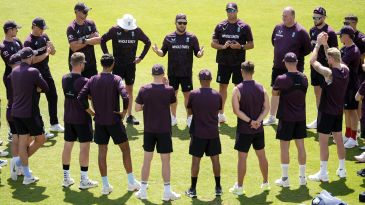
Brendon McCullum has famously championed an ‘informal’ and ‘free’ environment to allow players to express themselves. While this philosophy yielded initial success, its limitations have been exposed in recent months. The 4-1 defeat in Australia revealed a lack of tactical discipline and a worrying sense of sloppiness that suggests this relaxed approach may be detrimental to a high-performance, international environment.
- Lack of Specialization: England’s failure to secure a dedicated fast-bowling coach until weeks before the tour and the absence of a fielding specialist demonstrate a lack of professional rigor.
- Strategic Incoherence: Despite batting coach Marcus Trescothick claiming no discussions were held about ‘driving on the up,’ the team repeatedly fell into the same tactical traps during the Ashes.
- Communication Breakdown: Livingstone’s experience of six months of radio silence from leadership before a terse phone call is indicative of a management style that fails to value the human element of professional sport.
The Growing Detachment from County Cricket
The divide between the England set-up and the domestic County Championship has reached a tipping point. Figures like Surrey head coach Gareth Batty have described the pathway to international selection as ‘misted over,’ suggesting that the traditional meritocracy of county cricket is being ignored in favor of ‘vibes’ or social media-driven hype. When the link between domestic performance and international reward is severed, the sport risks losing the trust of the players and the public alike.
A Need for Structural Reform
The impending appointment of a new men’s selector to replace Luke Wright represents a critical juncture for the ECB. For too long, the selection process has felt opaque, with Rob Key often acting as the sole public voice, leaving selectors disempowered. The new appointee must be an authoritative, independent figure who is visible within the county circuit and capable of bridging the gap between the elite team and the domestic game.
As Richard Gould and Rob Key prepare to address the failures of the winter, the cricketing world is waiting for more than just rhetoric. The current status quo is becoming increasingly unsustainable. England needs to decide whether they will double down on their current informal approach or adopt a more disciplined, structured, and communicative regime that is capable of delivering consistent results at the highest level. The integrity of the English game may well depend on the decisions made in the coming weeks.