The Future of Test Cricket: A New Frontier
The International Cricket Council (ICC) is at a pivotal crossroads regarding the future of its flagship red-ball competition, the World Test Championship (WTC). As the governing body seeks to navigate the complex landscape of global cricket scheduling, a working group led by former New Zealand batter Roger Twose is preparing a transformative recommendation that could reshape the competition’s structure entirely.
Expanding the Horizon: From Nine to Twelve
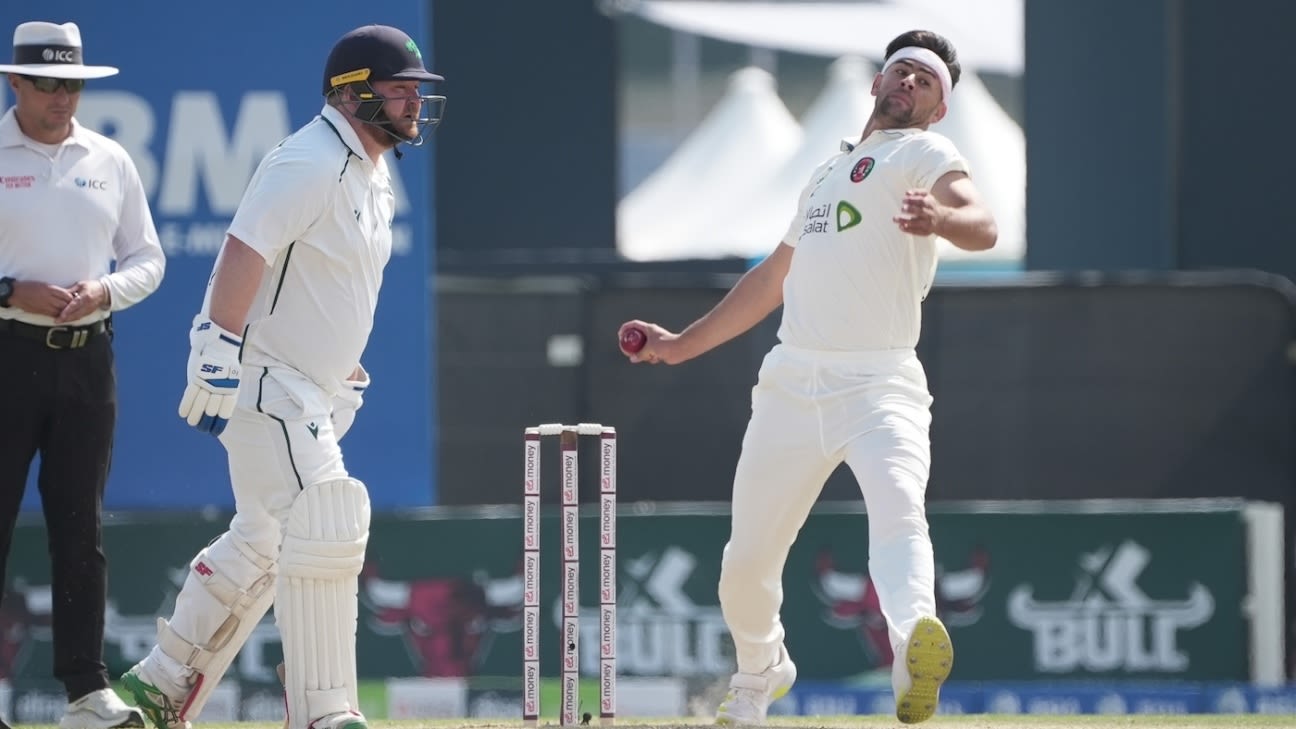
For years, the WTC has been limited to the top nine Full Member nations. However, the proposed model aims to expand this league to 12 teams, finally integrating Zimbabwe, Afghanistan, and Ireland into the primary structure. While these three nations are Full Members of the ICC, they have historically been excluded from the WTC, limiting their opportunities to compete against the established powerhouses of the game. This expansion is designed to foster a more inclusive and competitive global environment.
The Strategic Shift: Why One-Off Tests Matter
Perhaps the most significant aspect of the proposed change is the recommendation to allow one-off Test matches to count towards WTC points. Currently, the WTC regulations mandate that a series must consist of at least two Test matches to be considered for league points. This requirement has long been a point of contention for both logistical and financial reasons.
By permitting one-off Tests to count towards the two-year cycle, the ICC hopes to address the financial hurdles that larger cricket boards face when hosting smaller nations. Frequently, hosting a multi-match series against a lower-ranked team can be a loss-making endeavor. By condensing the commitment into a single, high-stakes fixture, the financial burden is reduced, making it more viable for bigger nations to invite the likes of Zimbabwe, Afghanistan, and Ireland to their shores.
Logistics and Commercial Viability
The logistics of the modern cricket calendar are notoriously difficult to manage. With the rise of lucrative franchise T20 leagues and the necessity of maintaining three distinct international formats, the ICC working group is under immense pressure to create a structure that satisfies all stakeholders. For example, a team like Zimbabwe could potentially schedule one-off Tests against opponents who are already en route to a larger tour in a neighboring country. This “tour-on-the-way” strategy maximizes efficiency without requiring a lengthy, expensive dedicated series.
For nations like England, a home summer often involves a packed schedule of high-profile, multi-Test series. Integrating a one-off Test against one of the newer WTC teams within such a summer would not only offer those teams valuable experience on premium pitches but would also keep the points table active and competitive without overwhelming the schedule.
The Path Ahead for the ICC
The recommendation to include one-off Tests is not merely a logistical tweak; it is a fundamental shift in how the ICC views the sustainability of the Test format. As the working group prepares to present these findings to the board, the discussions will likely revolve around two critical pillars:
- Acceptance of One-Offs: Determining if a single match carries enough weight to be included in a championship that decides the world’s best Test team.
- Economic Sustainability: Evaluating whether the newly included teams can maintain the financial and operational rigor required for a two-year commitment to consistent Test cricket.
The path to these decisions has not been without its obstacles. Previous attempts at restructuring, such as a proposed two-division model presented late last year, were met with resistance from several Full Members. Furthermore, the ICC has faced the challenge of reorganizing its own internal meetings, which were recently delayed due to geopolitical tensions in West Asia. While the next meeting is expected to take place in person soon, the specific venue and dates remain a subject of ongoing coordination.
Conclusion
The potential expansion to a 12-team WTC represents a sincere effort by the ICC to ensure that Test cricket remains relevant, competitive, and financially accessible. By lowering the barriers to entry and embracing flexibility, the governing body is attempting to secure the future of the game’s traditional format in an increasingly fast-paced sporting world. Whether the board decides to adopt these measures remains to be seen, but the debate itself signals a new era of proactive governance for cricket.